
Key Takeaways
- Commercial construction costs continue to increase due to labor shortages and material pricing volatility.
- Pre-engineered metal buildings reduce material waste and labor hours.
- Faster project timelines lower financing and operational delays.
- Design-build approaches streamline coordination and budgeting.
- Many commercial developers are choosing PEMBs for warehouses, aviation facilities, municipal buildings, and logistics centers.
In 2026, commercial construction will continue to evolve as developers, municipalities, and business owners contend with rising costs and shifting market conditions. There are many factors that are putting pressure on project budgets, from labor shortages to ongoing supply chain issues.
These issues and more make it harder to deliver large-scale projects on time and within budget, spurring developers to seek out smarter construction methods that put efficiency at the forefront.
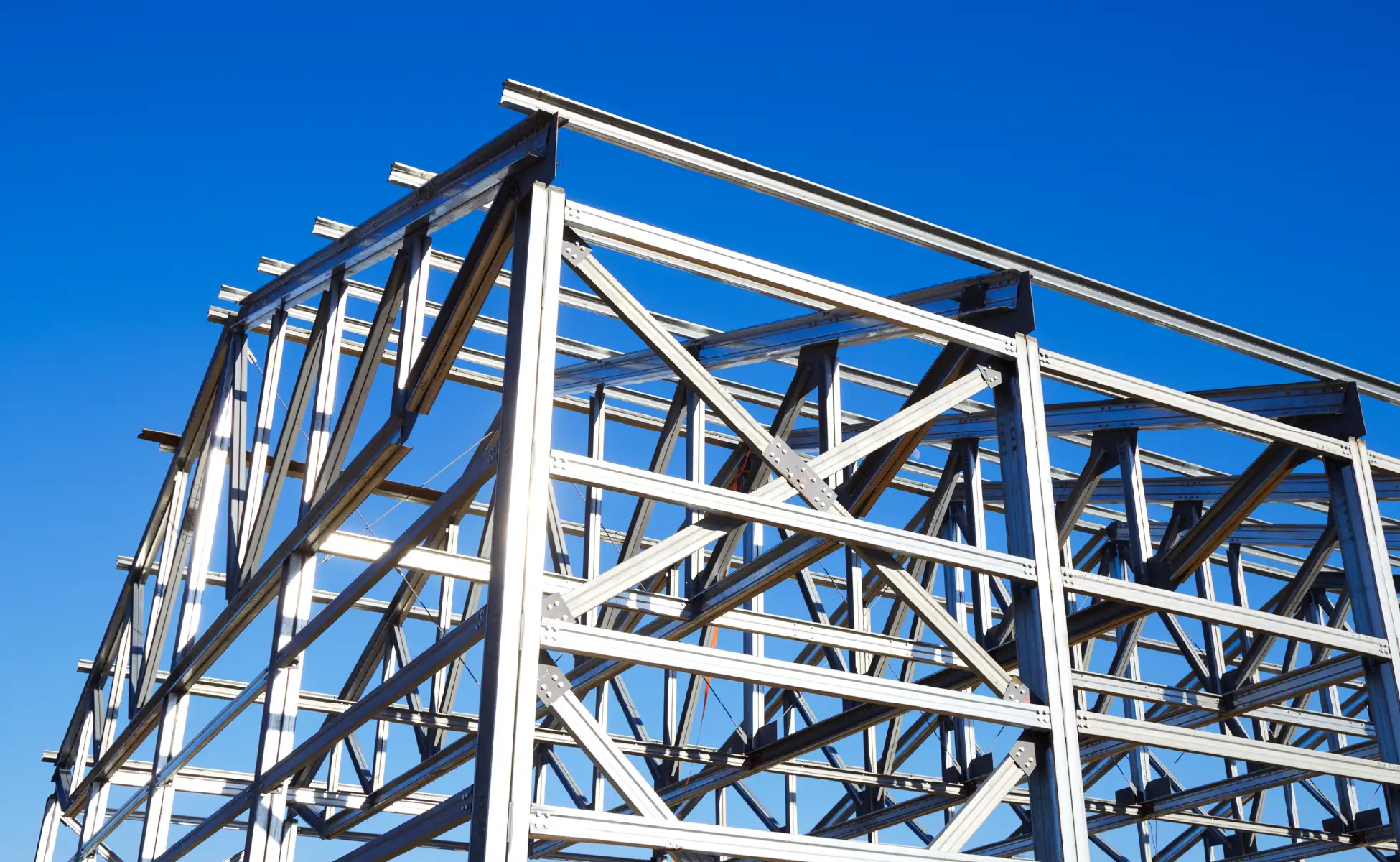
As such, pre-engineered metal buildings (PEMBs) are gaining in popularity across multiple industries for their faster construction timelines, more predictable costs, and long-term performance. PEMBs are steel structures that are designed, engineered, and fabricated in an offsite manufacturing facility before being delivered to the job site for assembly.
Here’s a look at why PEMBs remain a top choice for modern development projects as we head further into 2026.
Commercial Construction Costs: Still Rising in 2026
From price fluctuations to labor shortages, there are many contributing factors for the continued rise in commercial construction costs.
1. Material Price Volatility
Construction materials are still an unpredictable cost driver when it comes to commercial development. Steel, concrete, and lumber prices fluctuate greatly due to:
- Global demand
- Transportation costs
- Geopolitical supply chain disruptions
According to the U.S. Bureau of Labor Statistics, the Producer Price Index for construction inputs has experienced significant swings in recent years, forcing contractors and developers to account for unexpected cost increases during long-term projects.
When material prices shift dramatically between planning and construction phases, project budgets can quickly escalate.
2. Labor Shortages in Skilled Trades
The construction industry continues to face a shortage of experienced workers in skilled trades such as welding, electrical work, and heavy equipment operation.
The Associated Builders and Contractors (ABC) points out that the construction industry needed more than 500,000 additional workers in 2024 alone to meet demand, a shortage that continues to impact project timelines.
When there are fewer workers available to do the job, projects take longer to complete, which in turn increases labor expenses and project management costs.
3. Longer Project Timelines
Construction delays are also common, which increase financing costs, delay tenant occupancy, and postpone operational revenue. Every additional month of construction can mean lost income or delayed expansion plans for developers who need to get warehouses, manufacturing facilities, or logistics hubs up and running.
Industries That Use PEMBs
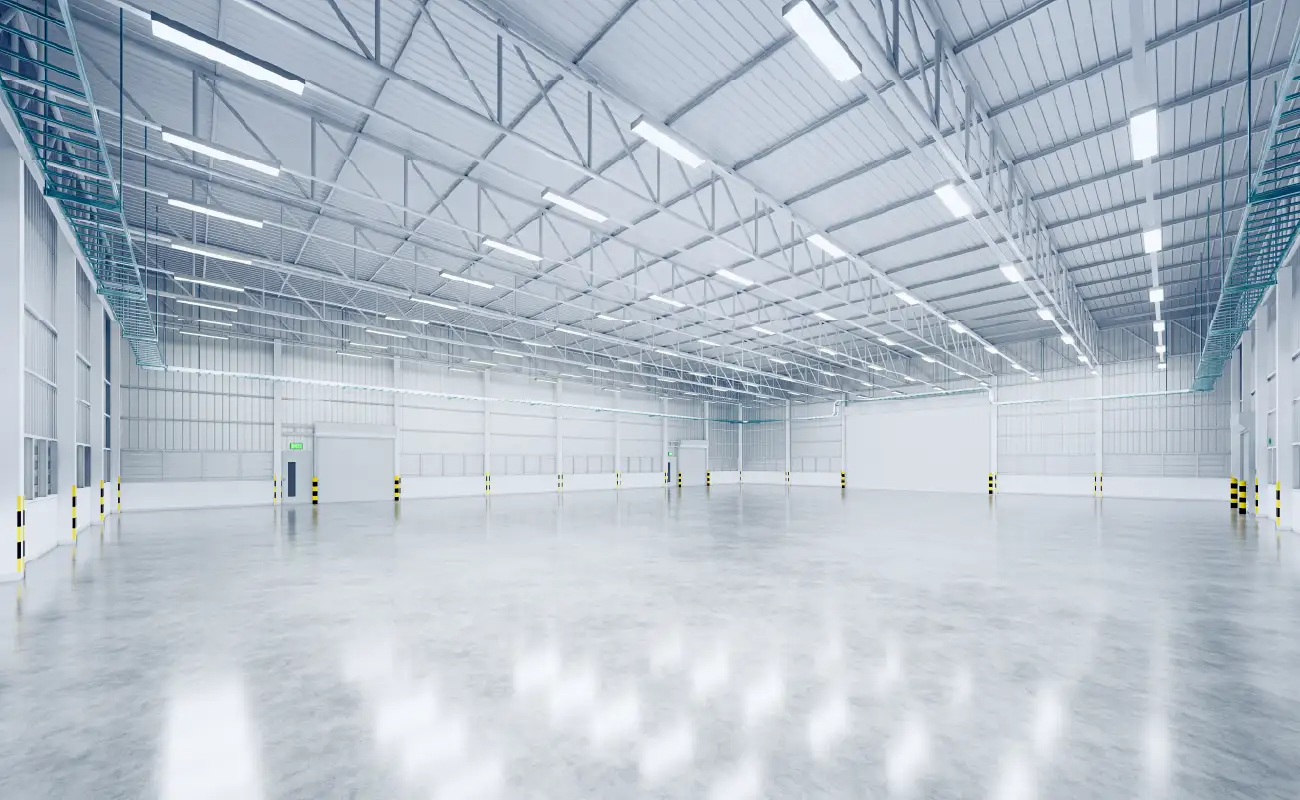
Known for their strength, flexibility, and cost efficiency, pre-engineered metal buildings (PEMBs) are used in multiple industries and for many applications. They’re ideal for large, open interior spaces and durable structures that can support heavy operations, such as:
- Commercial warehouses
- Logistics and distribution centers
- Aviation hangars
- Municipal buildings
- Industrial and manufacturing facilities
Cost Comparison: PEMBs vs Traditional Construction
From material efficiency to faster schedules, let’s take a look at PEMBs vs. traditional construction methods.
Material Efficiency
Pre-engineered metal buildings are designed using advanced engineering software that optimizes steel usage, reducing excess materials and minimizing waste during construction.
Efficient design not only lowers material costs but also contributes to more sustainable building practices.
Labor Savings
Because PEMB components arrive prefabricated, construction crews spend less time assembling structural elements on site. Fewer labor hours are required compared to traditional construction methods, which is critical during periods of labor shortages.
Faster Construction Schedules
Speed is a top advantage of PEMBs. Because structural components are manufactured ahead of time, many steps in the building process can occur simultaneously.
Shorter construction timelines not only help reduce financing costs, but they allow businesses to begin operations sooner.
Reduced Long-Term Maintenance
Highly resistant to common maintenance issues that affect traditional building materials, the very nature of steel structures means they won’t rot, warp, or attract termites like wood does. Plus, they often feature protective coatings designed to prevent corrosion and environmental damage.
Why Commercial Developers Are Choosing PEMBs
From budget predictability to design flexibility, commercial developers are choosing PEMBs for their many streamlined benefits.
Budget Predictability
Because PEMB systems are engineered and fabricated in advance, many potential cost variables are addressed earlier in the planning process, helping developers avoid unexpected cost increases during construction.
Design Flexibility
Architects and engineers can customize layouts, ceiling heights, structural spans, and exterior finishes to match the needs of various industries.
Scalability for Future Growth
PEMBs can expand as business needs change.
Many structures can be designed with future expansion in mind, allowing additional sections or extensions to be added later without major structural changes.
Energy Efficiency Opportunities
For many commercial facilities in 2026 and beyond, energy efficiency is a top priority. Modern metal building systems can incorporate insulation packages, reflective roofing systems, and energy-efficient wall assemblies to lower long-term operating expenses and improve sustainability.
According to the U.S. Department of Energy, improved insulation and reflective materials can significantly reduce heating and cooling costs in commercial buildings.
FAQs: Commercial Metal Buildings and Project Costs
Q: What affects commercial construction costs the most?
A: Several factors influence commercial construction costs, including labor availability, material pricing, project scope, regulatory requirements, and overall project timelines.
Q: How long does it take to build a commercial metal building?
A: Many PEMB projects can be completed faster than traditional construction because structural components are fabricated in advance and assembled quickly once delivered to the site.
Q: Are metal buildings durable enough for commercial use?
A: Yes. Modern steel systems are engineered for strength, structural stability, and long service life, making them well suited for demanding commercial and industrial environments.
Q: Do PEMBs limit design flexibility?
A: No. Today’s commercial metal buildings can accommodate a wide range of layouts, architectural finishes, and functional requirements across many industries.
Pre-Engineered Metal Buildings: A Practical Solution for 2026 and Beyond
Rising commercial construction costs will remain a major concern for developers this year, due to anything from higher material prices to longer project timelines. Pre-engineered metal buildings provide a practical, efficient solution by offering faster construction, predictable budgets, and long-term durability—especially when designed and installed by a reputable commercial builder in the Greater Columbus Area.