
A Guide for Ohio Commercial Leaders
Key Takeaways
- A pre-engineered metal building (PEMB) is a steel structure designed and fabricated off-site, then assembled on location.
- PEMBs reduce construction time and improve cost predictability, while offering design flexibility for logistics, aviation, municipal, and industrial facilities.
- Work with experienced pre-engineered metal building manufacturers and builders to boost quality and tighten up timelines.
- PEMBs offer durability, speed, and long-term value, especially in Ohio’s competitive commercial construction market.
From tight deadlines to budget constraints to complex bidding processes, commercial business leaders face many key challenges as they expand to accommodate growth. The pressure to get up and running quickly can be overwhelming, whether you’re planning a municipal facility upgrade in Franklin County or overseeing warehouse expansions at multiple locations across Ohio.
Enter: pre-engineered metal buildings, or PEMBs for short. The strategic advantages of PEMBs can’t be ignored in light of today’s competitive landscape where just a few days or weeks can make all the difference in emerging on top. Offering a solution backed by durability, speed, and long-term value, PEMBs can streamline engineering, reduce timelines, and control construction costs—all without sacrificing architectural integrity.
Because traditional construction methods aren’t rooted in predictability or speed, PEMBs stand tall as a reliable building system for many industries, from logistics and aviation to municipal and agricultural. But PEMBs are much more than a versatile building system. They represent a coordinated process that incorporates everything from engineering precision to on-site execution.
Keep reading to find out how experienced regional contractors can ensure efficiency for commercial business leaders throughout Ohio.
What Is a Pre-Engineered Metal Building?
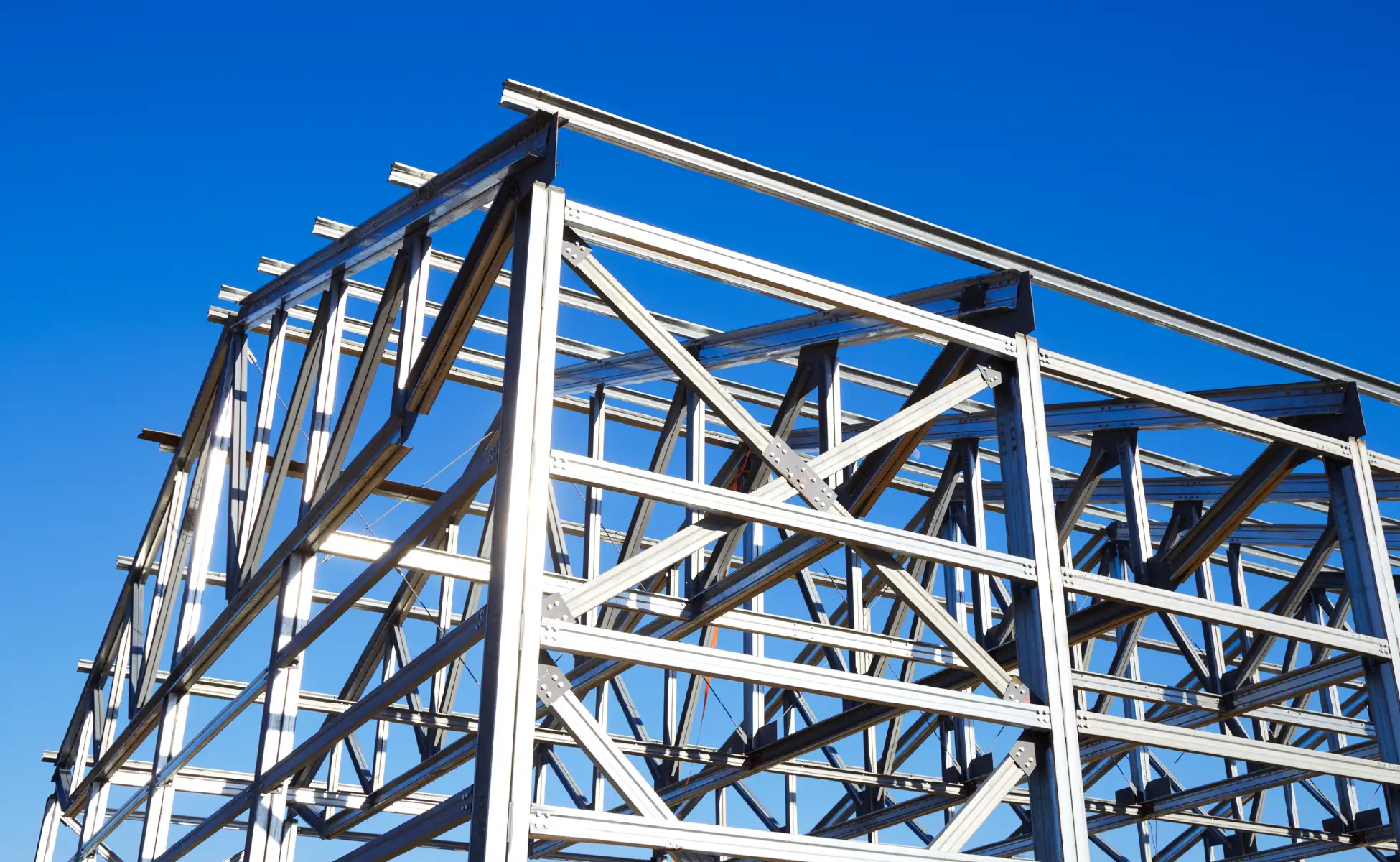
A pre-engineered metal building is a steel structure designed and fabricated off-site, then assembled on-site. This model is particularly effective in light of the many challenges commercial leaders face, such as:
- Tight project timelines
- Escalating material costs
- Labor market unpredictability
- Regulatory compliance requirements
- Long-term structural performance reliability
In short, a pre-engineered metal building is engineered to meet the exact specifications of a project before it ever reaches the job site.
This poses a distinct advantage over conventional construction, where most materials are ordered, cut, and assembled on-site. To control variables and increase precision throughout all project stages, PEMBs are:
- Custom engineered to meet load requirements, local codes, and operational needs
- Fabricated in a controlled manufacturing facility
- Shipped to the project site in ready-to-assemble condition
- Erected efficiently using a coordinated construction process
- Combine the design and construction phases under one roof.
Not only can material quantities be precisely calculated to reduce waste, weather-related delays can also be minimized. Perhaps the biggest advantage is that installation is faster and more predictable.
For Ohio commercial business owners walking a fine line between tight schedules and budgets, PEMBS offer a refreshing way of bringing a project to light thanks to the certainty of the above variables.
4 Benefits of Pre-Engineered Metal Buildings in Ohio
From speed and cost control to durability and design flexibility, there are many benefits associated with commercial metal buildings in Ohio.
1. Speed of Construction
First, accelerated delivery is the top promise of PEMBs, as the design and manufacturing phases can occur simultaneously with site preparation. New research shows that design-build projects are delivered faster and with greater reliability in cost and schedule performance, than traditional delivery methods, according to the Design-Build Institute of America (DBIA).
This efficiency reduces overall project timelines, minimizes weather delays, and streamlines on-site erection, resulting in:
- Quicker occupancy
- Earlier revenue generation
- Reduced schedule risk
This is great news for Ohio business leaders who rely on speed to get ahead of the competition.
2. Cost Predictability
Because PEMBs are made off-site beforehand to meet precise specifications, this controlled fabrication can reduce:
- Material waste
- Labor hours
- On-site modifications
- Change orders
Not only does this allow for better budget forecasting, it reduces financial surprises for cost-conscious CEOs, CFOs, and municipal leaders in charge of public fund management.
According to the Design-Build Institute of America (DBIA), PEMB projects have nearly four percent less cost growth, ensuring more reliable budgets and greater cost certainty.
3. Durability and Performance
Structural resilience is integral for buildings in Ohio’s unpredictable climate. Pre-engineered steel buildings are designed to meet regional wind and snow load requirements, allowing for long-term strength and stability. This is particularly important for industrial, aviation, and municipal facilities that must remain in operation all year long.
4. Design Flexibility
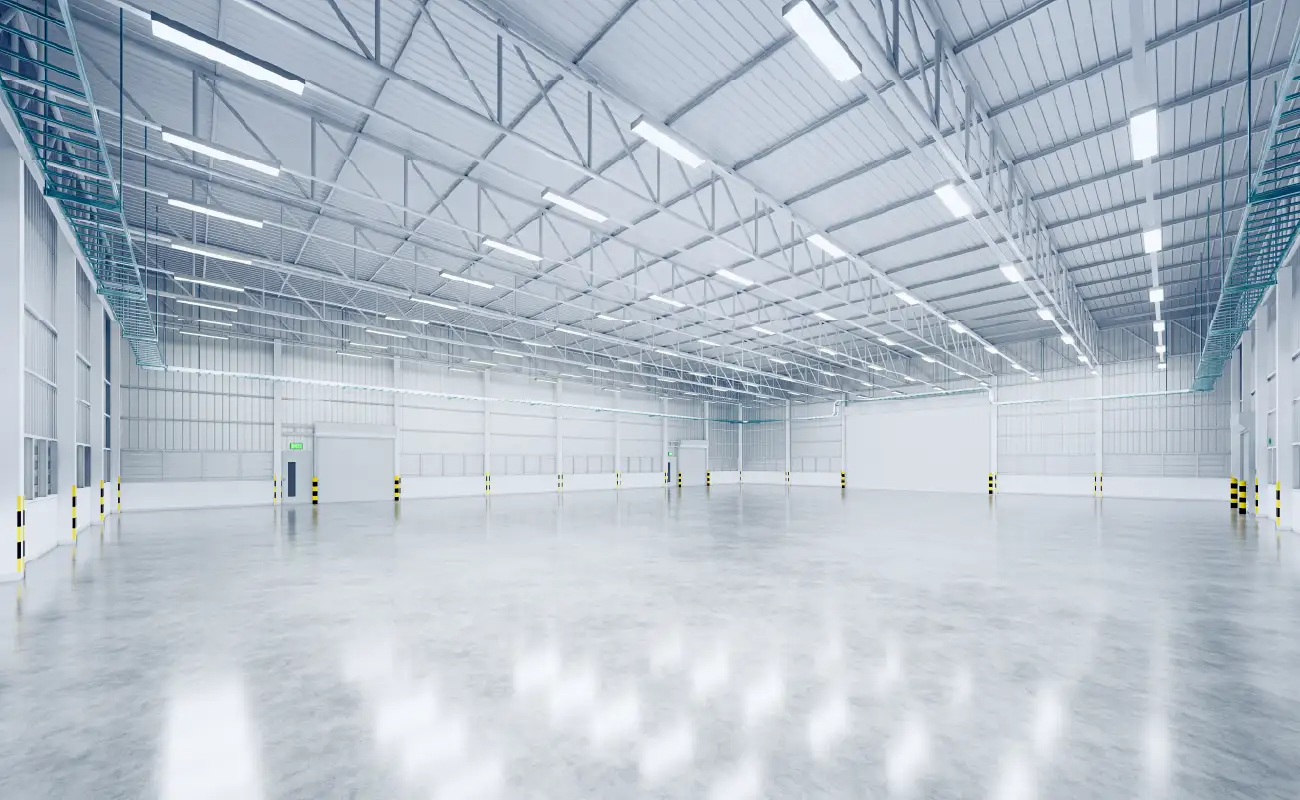
Design adaptability is the final pillar in the four benefits of PEMBs, which are inherently well suited to open layouts ideal for warehouses, hangars, and manufacturing facilities. In addition, pre-engineered metal buildings are also able to support architectural finishes, energy-efficient systems, and phased expansions.
Not only do these factors preserve the integrity of the original design, they support future growth and scalability—critical elements amidst Ohio’s competitive construction environment.
Pre-Engineered Metal Buildings: Myth vs. Fact
Despite their growing popularity in Columbus, Ohio’s commercial building space, pre-engineered metal buildings (PEMBs) are often misunderstood. Let’s clear up some common misconceptions about PEMBs and reveal the true facts.
Myth: “They all look the same.”
Fact: Modern PEMBs support the integration of architectural finishes, masonry accents, glass systems, parapets, and custom façades, designed to align with brand standards and architectural vision.
Myth: “They aren’t customizable.”
Fact: Every pre-engineered metal building meets project-specific requirements, including span width, height, loading conditions, and interior layout. They are also highly adaptable to future expansion and growth.
Myth: “They’re only for warehouses.”
Fact: While PEMBs are widely used for distribution centers and warehouses, they can also be utilized for aviation hangars, manufacturing facilities, municipal service buildings, agricultural operations, and recreational facilities.
Myth: “They compromise on quality.”
Fact: Just because PEMBs are pre-made off-site doesn’t mean they are lower in quality in any way. In fact, the quality is as high, if not higher, than traditional construction methods because components are fabricated in controlled environments for precision and consistency. They are also designed to meet Ohio’s strict wind, snow, and energy code requirements.
As you can see, PEMBs are so much more than just a simplified alternative to traditional methods. Indeed, they offer a strategic advantage to modern construction.
FAQs About Pre-Engineered Metal Buildings in Ohio
Q: What is the difference between a pre-engineered metal building and a traditional steel building?
A: A pre-engineered metal building is designed and fabricated as a complete, integrated steel system before arriving on site. Traditional steel construction is typically more sequential and field-integrated, leading to longer timelines and increased variability.
Q: Can pre-engineered metal buildings be customized?
A: Yes. Each PEMB is engineered to project-specific dimensions, loads, and layout requirements, and can include office space, mezzanines, crane systems, architectural finishes, and future expansion capabilities.
Q: How long does it take to construct a PEMB in Ohio?
A: While timelines vary, PEMBs are often completed faster than conventional buildings because manufacturing and site work occur at the same time.
Q: Are pre-engineered metal buildings energy efficient?
A: Yes. Modern systems feature insulated wall and roof assemblies, reflective panels, and energy-code-compliant envelope designs that help manage operating and utility costs.
Q: Do pre-engineered metal buildings meet Ohio building codes?
A: Yes. PEMBs are engineered to meet strict Ohio wind, snow load, and energy code requirements to ensure compliance.
Q: How do I choose between pre-engineered metal building manufacturers?
A. Experience and reputation matter. Choose a manufacturer based on their track record of project excellence, engineering expertise, quality control standards, production reliability, and streamlined delivery.
If you’re a commercial business leader who values speed, structural integrity, and financial clarity, pre-engineered metal buildings are a key strategic solution to ensure you can smoothly navigate growth, compliance, and capital planning.