
Key Takeaways
- Supply and erect bundles procurement, fabrication coordination, and field installation in one service.
- Early collaboration between GCs, architects, and steel erectors reduces rework, delays, and RFIs.
- Structural steel erection services are considered high-risk and thus require strict safety planning and compliance.
- PEMB (pre-engineered metal building) projects demand sequence-driven coordination between design and erection teams.
- A strong subcontractor partnership improves schedule certainty, cost control, and project outcomes.
Commercial construction success across the Greater Columbus Area relies heavily on how well teams collaborate before the project even starts. It’s important for general contractors and architects to understand supply and erect services so they can deliver efficient, safe, and buildable projects.
Today, we’ll talk about how erecting services work, what structural steel erection services include, and how to build better partnerships with experienced PEMB subcontractors in Columbus, Ohio, and beyond.
Supply & Erect Services: Defined
“Supply and erect” is a delivery model where one subcontractor:
- Supplies structural steel components
- Erects the structure on-site
At its core, this model is designed to eliminate the disconnect between fabrication and installation, which is one of the most common sources of delays in traditional project delivery. In contrast with segmented scopes, steel erection services under a single contract align detailing, logistics, and field execution from the start.
Why This Is Important for GCs & Architects
From reduced risk to faster timelines, there are many reasons why this arrangement is beneficial for general contractors and architects.
1. Reduced Coordination Risk
Gaps can emerge when supply and erection are split, resulting in:
- Misaligned shop drawings
- Late design clarifications
- Field conflicts between fabricated components and real-world conditions
Those gaps are closed when the supply and erect partner owns constructability across the lifecycle.
2. Faster Project Timelines
Delays at this juncture can trickle down into all downstream trades, yet another reason why pre-planning is essential. Integrated teams can:
- Sequence deliveries with crane picks
- Optimize the erection order
- Reduce idle time on-site
Effective steel erection begins long before the first beam is lifted.
3. Improved Cost Predictability
Fragmented scopes often result in change orders. A coordinated approach reduces:
- Rework
- Material mismatches
- Labor inefficiencies
What’s Included in Steel Erection Services?
Understanding the full scope of steel erection services from start to finish ensures general contractors and architects can set and follow realistic expectations.
1. Pre-Erection Planning
- Site logistics and crane access
- Erection sequencing
- Safety planning (OSHA compliance)
2. Field Installation
- Setting columns, beams, and joists
- Bolting and welding connections
- Installing metal decking and structural components
3. Safety & Compliance
Steel erection is high-risk work, ranking among the top 10 most hazardous occupations in the United States. In fact, there are 21 fatal injuries per 100,000 as a result of slips, trips, and falls from significant heights, according to OSHA.
This is why partnering with experienced, safety-forward subcontractors is so critical.
The PEMB Factor: Why Erection Strategy Matters More
Pre-engineered metal buildings (PEMBs) are common across industrial and commercial projects in Columbus, Ohio, but they also create some unique challenges, such as:
1. Sequence-Driven Risk
Unlike conventional steel, PEMBs require precise sequencing:
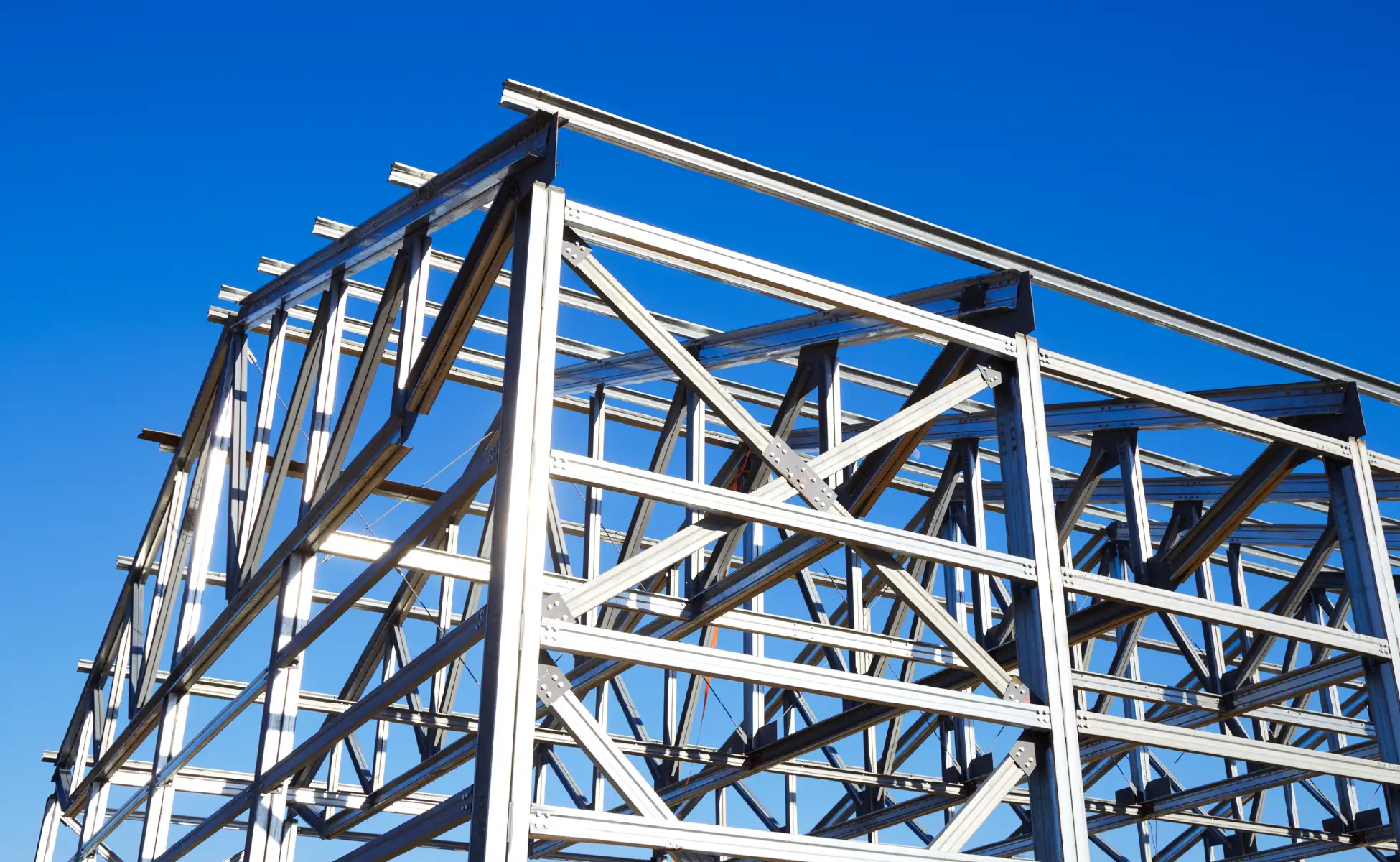
- Columns, then rafters, then purlins
- Stability evolves as the structure progresses
2. Tight Tolerances
PEMB systems are pre-designed, translating to:
- Less flexibility for field adjustments
- Greater reliance on accurate erection
3. Collaboration
Architects and GCs must communicate with the erector early on to:
- Confirm connection details
- Coordinate penetrations and attachments
- Avoid conflicts with MEP systems
How GCs & Architects Can Collaborate More Effectively
1. Engage Early—Not After Award
Engaging your steel erection partner during pre-construction allows for:
- Constructability reviews
- Value engineering opportunities
- Accurate scheduling
2. Design With Erection in Mind
Early input from structural steel erection services providers helps avoid these common friction points:
- Difficult-to-access connections
- Overly complex framing
- Inadequate tolerances
3. Prioritize Site Readiness
Per OSHA guidelines, the controlling contractor must provide:
- Safe access roads
- Proper staging areas
- Stable foundations before erection begins
Delays in site readiness directly impact erection productivity.
What to Look for in a Steel Erection Partner
For erecting services projects in the Greater Columbus Area, choose partners who offer:
1. Proven Safety Programs
When it comes to safety programs, look for:
- OSHA compliance history
- Documented safety plans
- Trained, certified crews
2. PEMB Experience
PEMB erection requires specialized knowledge in:
- Manufacturer coordination
- Sequence planning
- Real-time adjustments
3. Integrated Project Approach
The best partners act as both installers and collaborators, working together to ensure project success.
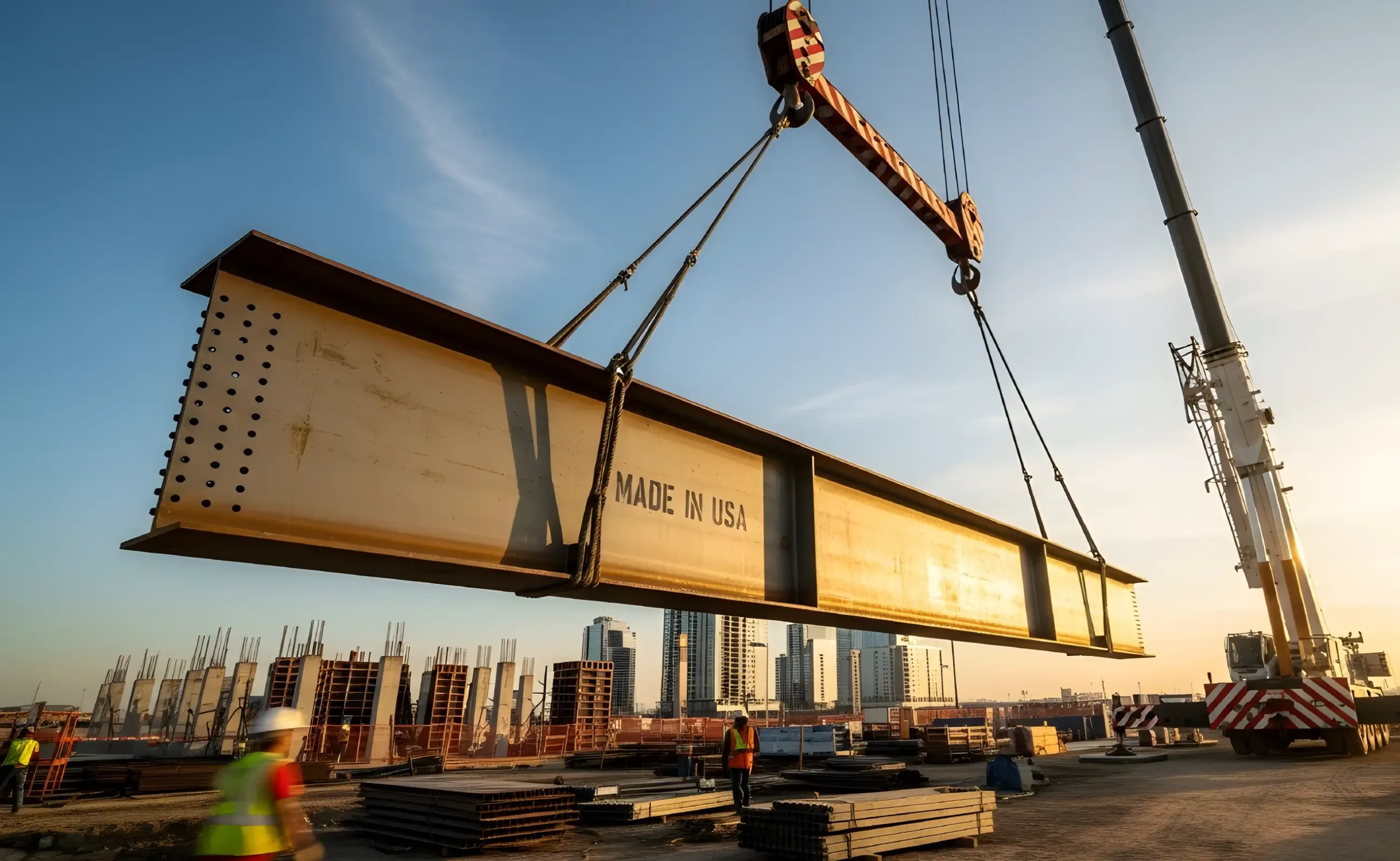
Pre-erection coordination brings your team together to assess site layout and plan lift sequencing.
The Business Case for Strong Partnerships
For general contractors and architects, the value of a reliable supply and erect partner lasts well beyond the installation.
- Fewer RFIs and change orders: Integrated teams resolve issues before they reach the field.
- Better schedule certainty: Coordinated planning reduces delays and downtime.
- Higher quality outcomes: Proper sequencing and execution help improve overall structural integrity.
- Reduced risk exposure: Experienced crews reduce safety and liability risks.
Supply & Erect Services: A Collaboration Strategy
In growing markets like Columbus, Ohio, the ability to group design, fabrication, and erection under the umbrella of one trusted partner can define project success. The most effective teams view steel erection services as a foundational, early-stage collaboration task—one that influences everything from design to delivery.
FAQs About Supply & Erect Services
Q: What’s the difference between fabrication and erection?
A: Fabrication happens off-site and involves cutting, welding, and preparing steel components. Erection involves the on-site assembly and installation of those components into the final structure.
Q: Are supply and erect services more cost-effective?
A: Often, yes. While the upfront contract may appear larger, it reduces hidden costs like delays, coordination errors, and change orders.
Q: When should a general contractor involve a steel erection subcontractor?
A: Ideally, this should take place during pre-construction or design development—well before shop drawings are finalized.
Q: How do architects benefit from early collaboration?
A: They gain insight into constructability, helping avoid design elements that are difficult or costly to build.
Q: Why are structural steel erection services considered high-risk?
A: Workers operate at height, handle heavy materials, and rely on partially completed structures—making safety planning critical.